
The Future of Work: Will AI Teams Replace Human Forces?
Explore the possibilities and implications of AI Teams taking over human tasks and what it means for the future of work.
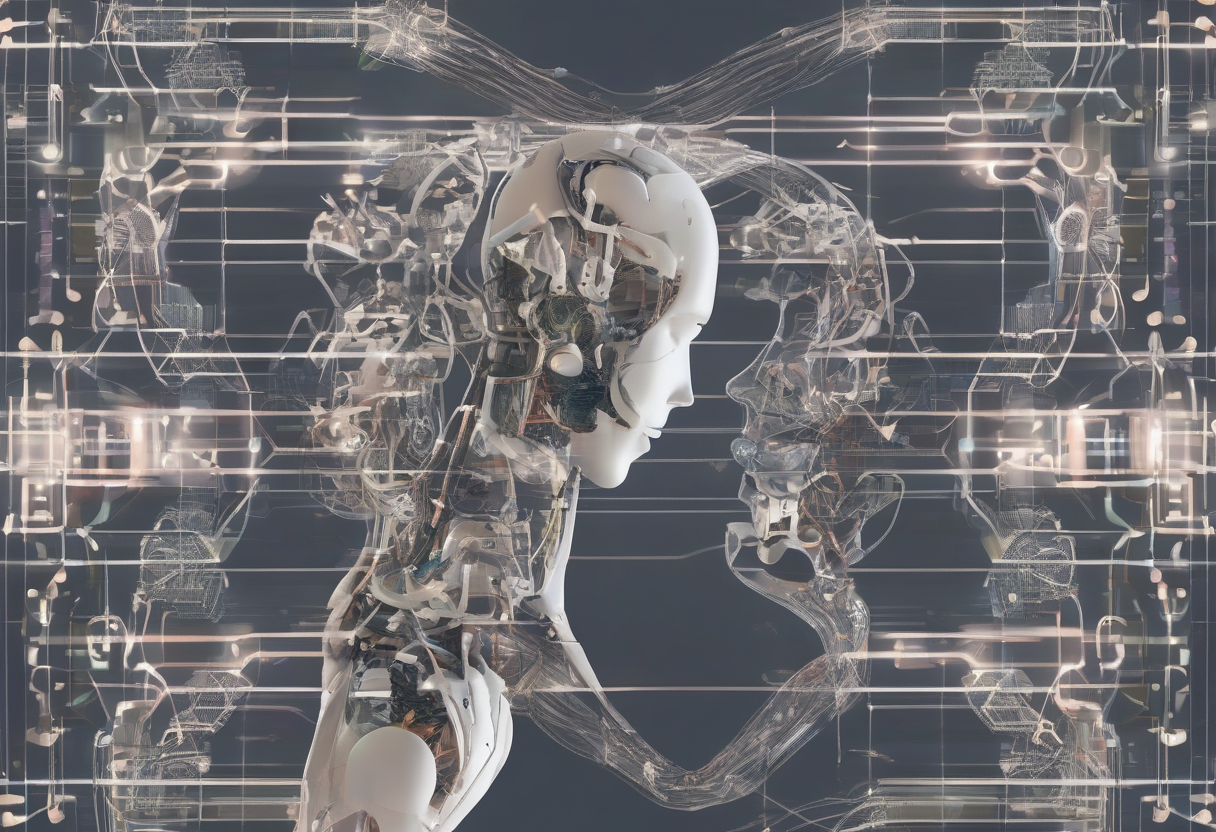
The Future of Work: Will AI Teams Replace Human Forces?
In today's fast-paced digital landscape, the role of Artificial Intelligence (AI) in shaping the future of work is more significant than ever. With the rise of AI Teams consisting of multiple AI agents following a hierarchical structure, one question poses a significant concern: can AI Teams replace human forces in various industries?
In this blog post, we'll delve into the possibilities, implications, and considerations of AI Teams taking over human tasks. Will AI Teams revolutionize the way we work, or will they merely augment our capabilities? Let's explore the answers together.
The Rise of AI Teams
AI Teams, comprised of strategically designed AI agents, have been gaining traction in various sectors, including customer service, data analysis, and software development. These AI Teams operate in a hierarchical structure, often mimicking human decision-making processes and communication patterns. The benefits of AI Teams are numerous, including improved efficiency, increased accuracy, and reduced costs. But what about the impact on human employment?
The Pros and Cons of AI Teams
Advocates of AI Teams argue that they will streamline processes, allowing human professionals to focus on high-value tasks that require creativity, empathy, and critical thinking. On the other hand, critics contend that AI Teams will displace human workers, exacerbating unemployment rates and social inequalities.
AI Teams also pose concerns regarding job fragmentation, where tasks are broken down into smaller, automatable components, leaving humans with little to do. Conversely, AI Teams can elevate human capabilities by handling tedious, time-consuming tasks, freeing employees to pursue more complex and innovative work.
The Human Touch in AI Teams
While AI Teams demonstrate impressive capabilities, there's a crucial point to consider: the human touch. AI agents, in their pursuit of efficiency, often sacrifice the emotional intelligence and empathy that humans bring to the table. Human workers, on the other hand, possess the capacity for emotional understanding, creativity, and adaptability, which are essential for building strong relationships and fostering meaningful connections.
AI Teams in Today's Workforce
AI Teams are already making waves in various industries, from healthcare to finance. In the medical sector, AI Teams assist in diagnosis, treatment planning, and patient care. In finance, AI Teams analyze complex data sets, spot patterns, and make predictions, all while automating routine tasks.
The Future of Work: Human-AI Collaboration
As AI Teams continue to transcend boundaries, it's clear that the future of work lies not in the replacement of human forces, but in the harmonious collaboration between humans and AI agents. AI Teams will augment human capabilities, freeing us from tedious tasks and allowing us to focus on the things that make us human – creativity, empathy, and innovation.
The implications of AI Teams on the future of work are far-reaching and multifaceted. As we navigate this uncharted territory, it's essential to recognize the benefits and limitations of AI Teams and work towards a future where humans and AI agents coexist in perfect harmony.